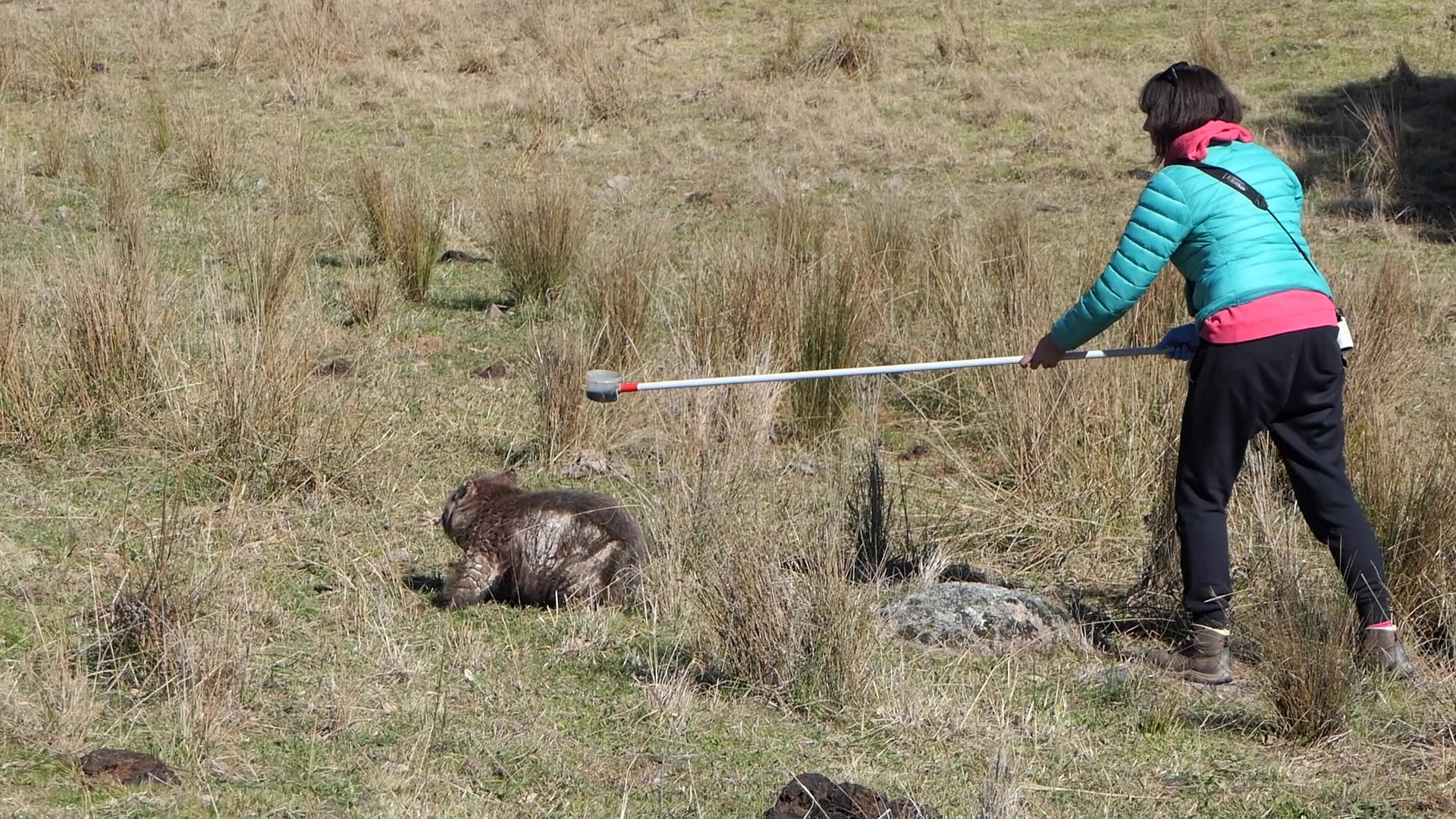

Wombats are among the best known and most appealing of Australia’s many unique animal species.
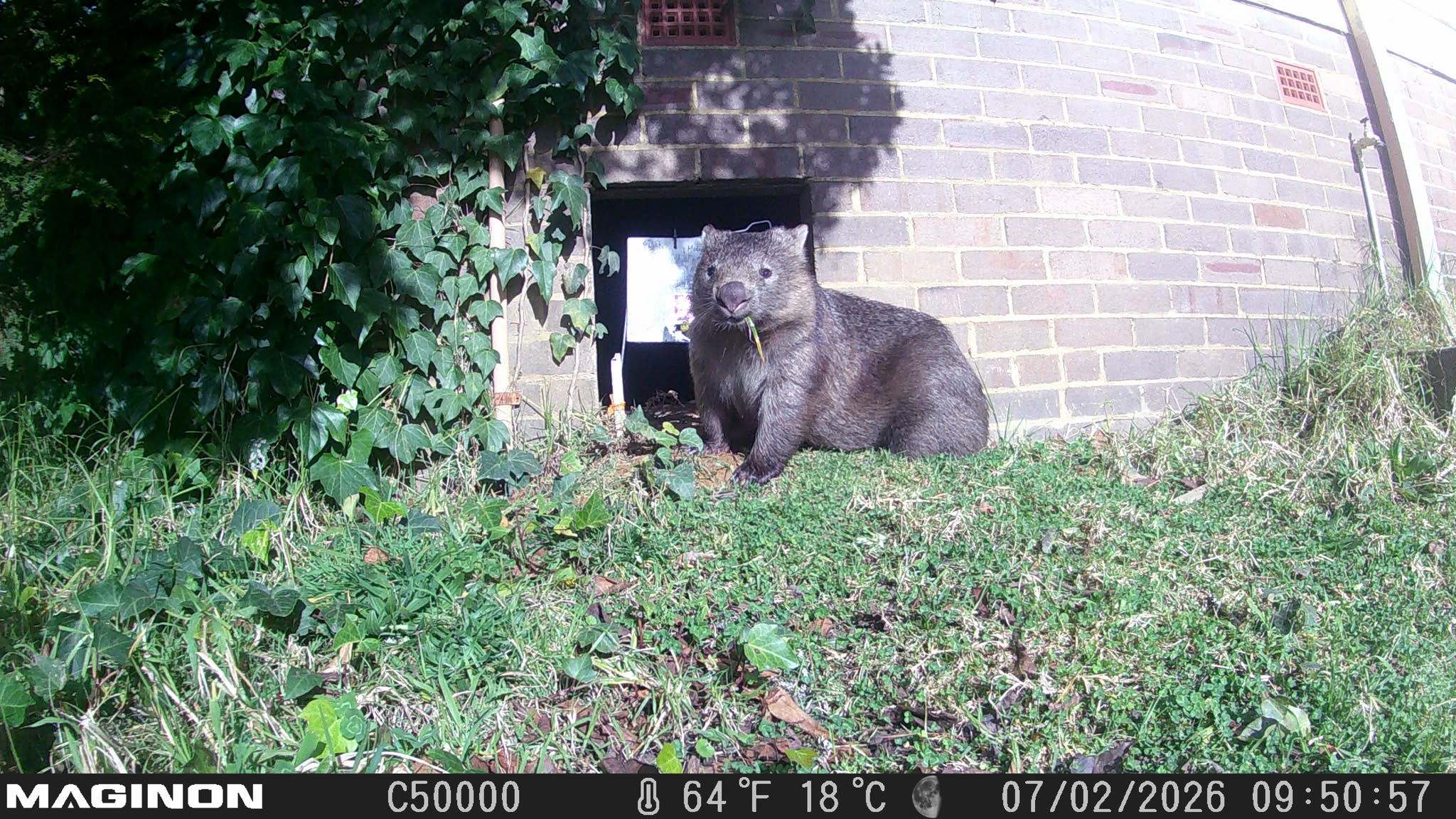
But unlike some others – kangaroos or kookaburras for example – wombats are not easy to spot in daylight hours, and you can be in the bush for a long time without encountering one. That’s not surprising because when the sun is up wombats are down underground dozing in their burrows, emerging at night to forage for food
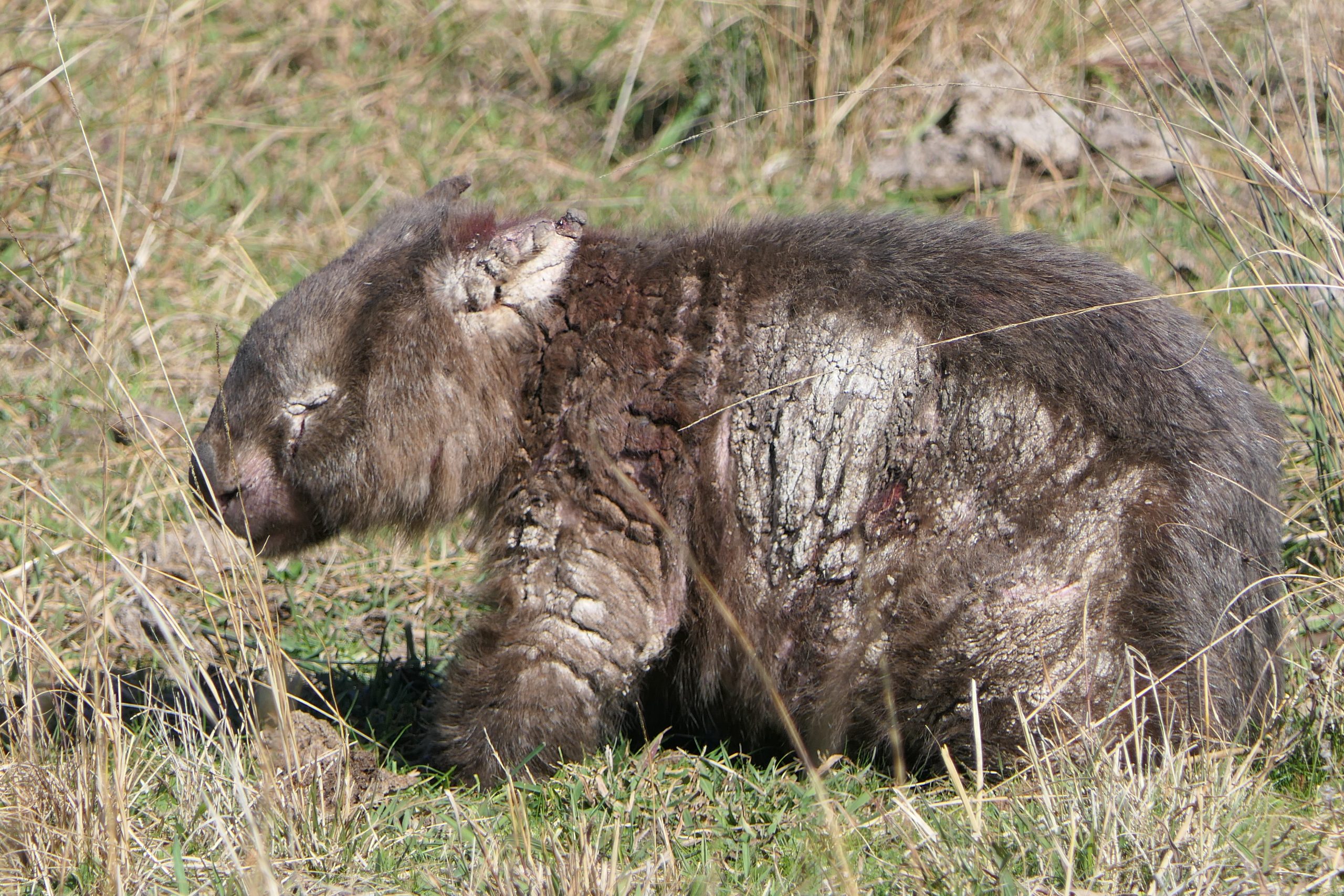
When a wombat does appear above ground during the day, it may be because it has an illness called sarcoptic mange that’s making it less effective at night foraging, so it has to spend extra time finding enough food to survive. Caused by a mite that irritates the skin, mange is common among wombats and often fatal to them.
Here in the Blue Mountains, organised volunteers are helping to control the spread of mange among wombat populations by treating afflicted animals in the bush. To raise money for this worthy effort, Blue Mountains Gin Company recently held a fundraising event that brought in $7000.
.
Wombats under threat
Although not critically endangered, the Bare-nosed Common Wombat of south-eastern Australia faces threats due to disease, roadkill and habitat loss. When sarcoptic mange spreads through wombats – it is very contagious – it can decimate local populations and even wipe out isolated groups. It is therefore a major animal welfare challenge in most regions where wombats live.
The Sarcoptic scabies mite that causes mange spreads directly between animals via shared burrows. It penetrates the skin, causing irritation, fur loss, blindness and eventual death.
So serious is the mange contagion that the Wombat Protection Society of Australia regards it as “the major health issue impacting wombat welfare, along with roadkill and culling”.
Efforts are under way to control the spread of mange, with various groups including the Wombat Protection Society of Australia taking a leading role in raising awareness, funding research and supporting wombat welfare projects.
Local group in hands-on campaign
Blue Mountains Gin Company is enthusiastic about helping a local volunteer group that’s working to control the spread of mange by treating infected wombats in the bush.
We held an auction and raffle at the company’s Factory Bar, in north Katoomba, raising $7000 for the Blue Mountains Wombat Conservation Group – enough to underpin its work over the next 12 months.
More than 60 people at the fundraiser bid competitively for offerings donated by local businesses – beautiful artworks, great accommodation packages and other items.
Conservation group president Tony Garman showed the gathering how volunteers apply medication to the backs of wombats using long poles and frames at the entrance to burrows.
He said treatments had helped many wombats, which might otherwise have died within months of being infected.
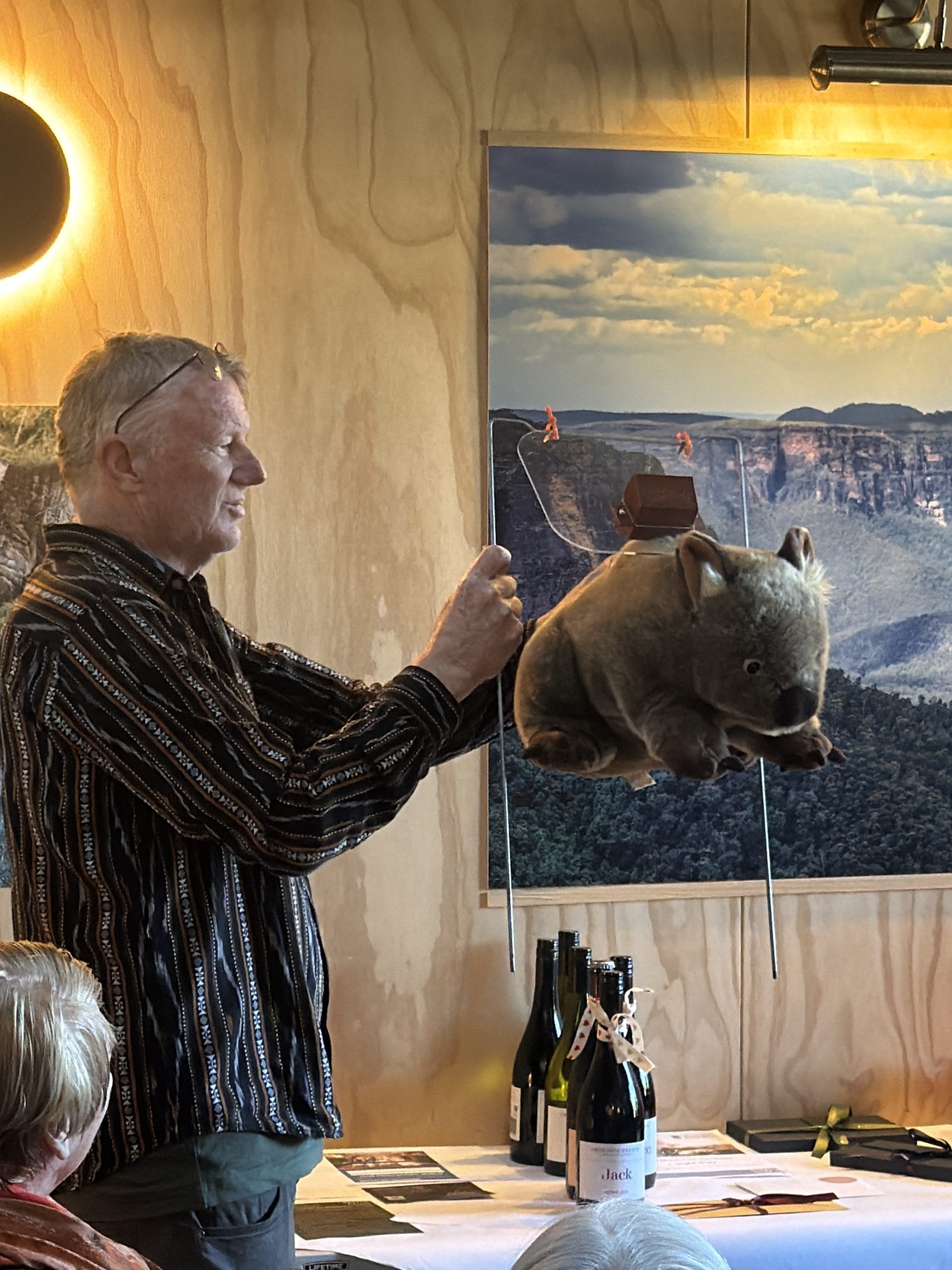
Tony Garman shows how medications are applied to wombats.
Treatments are not one-off, because the officially approved moxidectin and fluralaner medications need to be applied regularly for a number of weeks in order to be effective.
That’s a lot of effort for volunteers who give up their time to seek out sick wombats in the group’s two main monitoring areas in the Megalong Valley and near Wentworth Falls.
“The $7000 raised at the event will help to provide medications, trail cameras and other essentials for some time to come,” said Mr Garman.
“Thank you to all the businesses that donated prizes and to Maurice Cooper, our wonderful auctioneer. A special thanks to Jann and Harry Dillon, co-owners of the Factory Bar, for their huge efforts in terms of time, effort and cost.”
While wombat mange is unlikely to be eradicated soon, the current volunteer efforts are helping to control it.
This needs to happen if wombat populations are to remain viable, rather than rare or even extinct. We need them to survive and thrive along with other native animals, so the Australian bush retains at least some of its original wildlife.